


I got fooled by Kiwis.
It’s easy to get fooled by clinical studies. It just happened to me.
Recently, a social media persona posted a reel discussing a clinical study about the effect of kiwis on skin density.
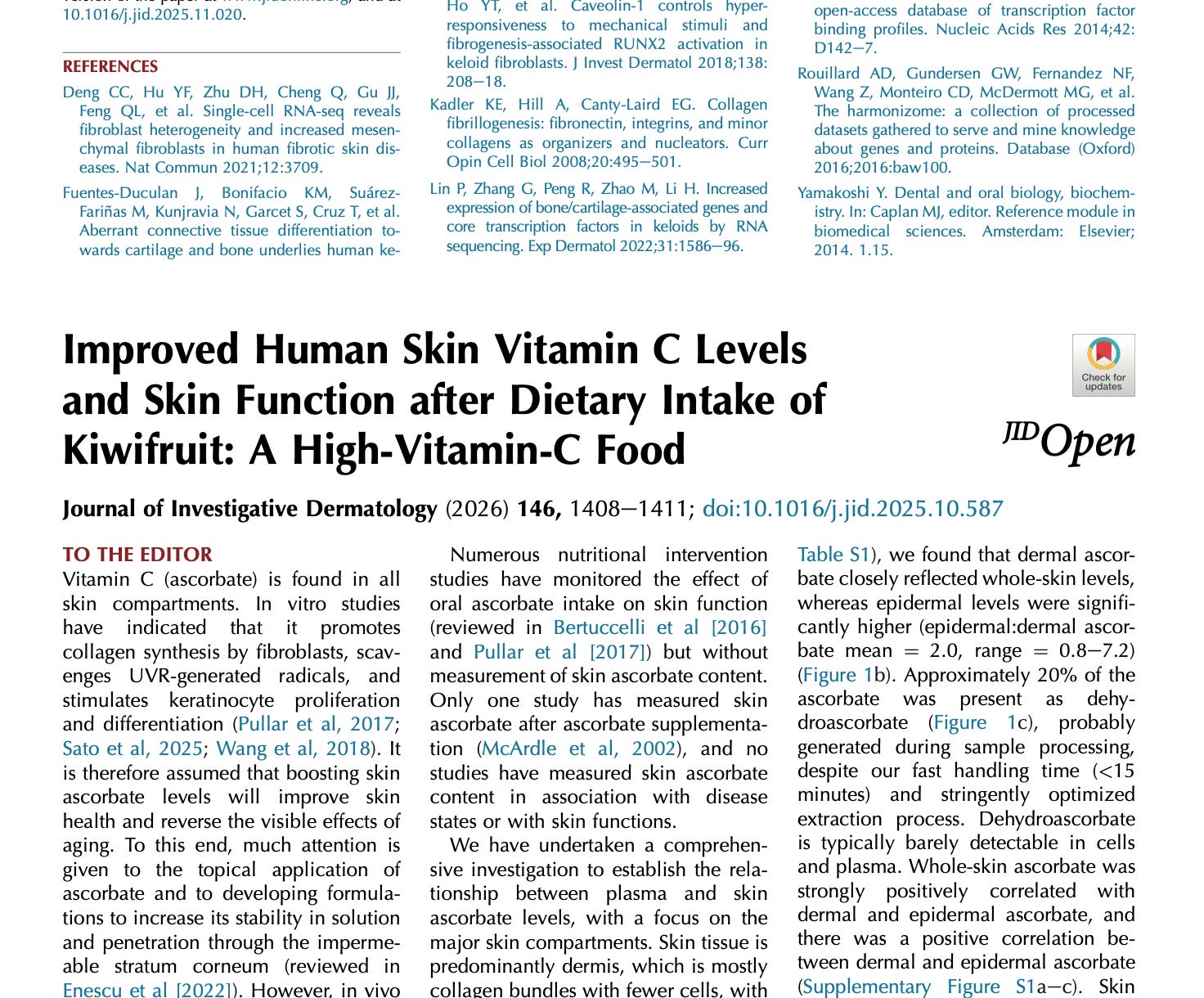
Yes, kiwis. The headline was that a study in the Journal of Investigative Dermatology found that eating 2 kiwis a day increased skin density by 48% in 8 weeks. Yes, eating kiwis.
When I saw the Kiwi story pop up on my Instagram, I was primed. I had previously done a deep dive into how Vitamin C affects skin structure and function. Vitamin C was one of those major skincare ingredients that I – as a newcomer to skincare in 2017 – had to understand for myself in detail. While doing my research, I came across a review that casually mentioned a few things that surprised me and stuck in my head.
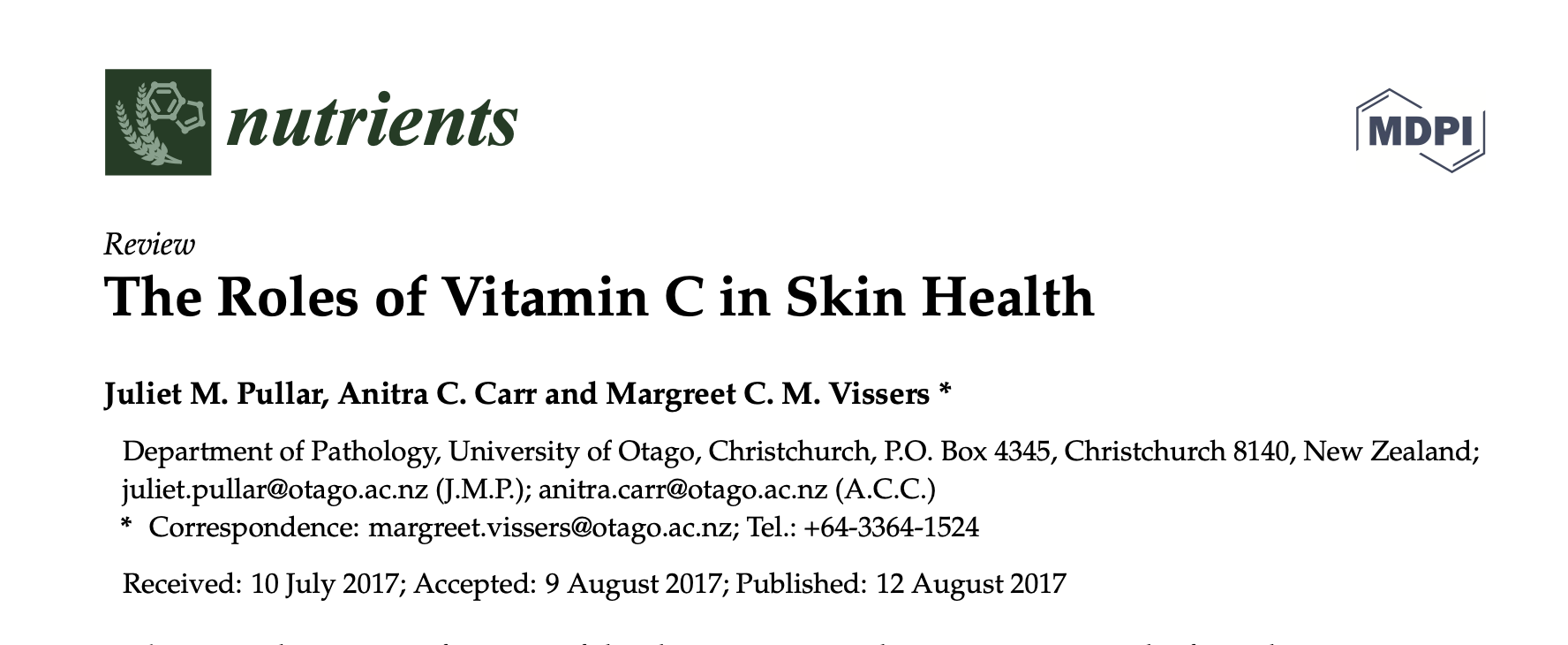
Section 3.1.2: “Dietary supplementation is therefore only expected to be effective in elevating skin vitamin C in individuals who have below-saturation plasma levels prior to intervention.”
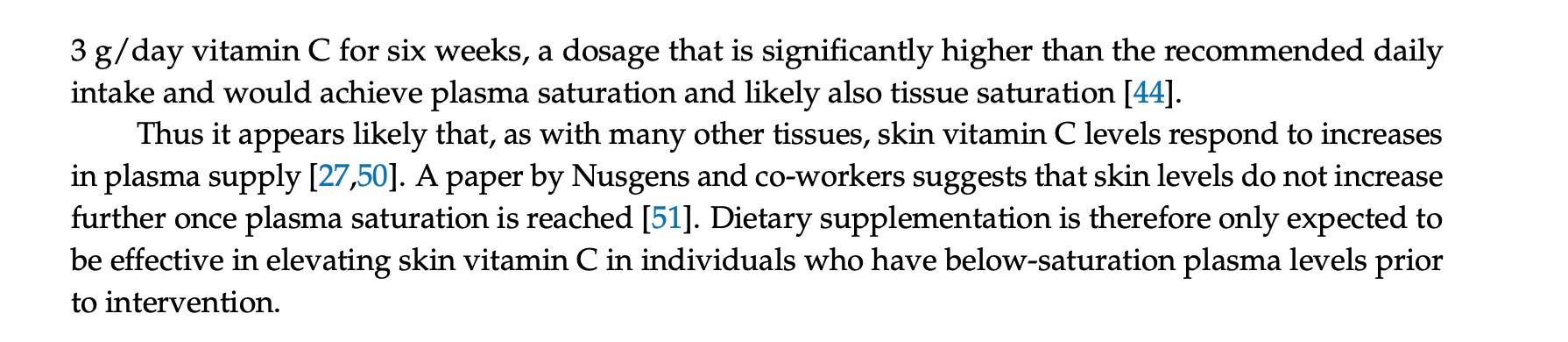
Section 3.1.3: “if plasma levels are saturated, then it appears that topical application does not increase skin vitamin C content [51].”

This made sense to me. We all hear that our bodies excrete any excess vitamins that they don’t need. To be crude: “You just piss it out.”
So when I saw the kiwi story on Instagram, I pulled up the study in the Journal of Investigative Dermatology. The authors were some of the same people who wrote the review paper. They would certainly discriminate subjects per baseline vitamin C status. They did. The extra kiwis did not increase vitamin C levels in those subjects who already had sufficient levels of vitamin C.
“Ha!” I said to myself. “Gotcha.” And without thinking twice, I commented on the social media personality’s post. “Skin density only increased in subjects who were deficient in vitamin c. In subjects who had normal vitamin c levels skin density did not increase.”
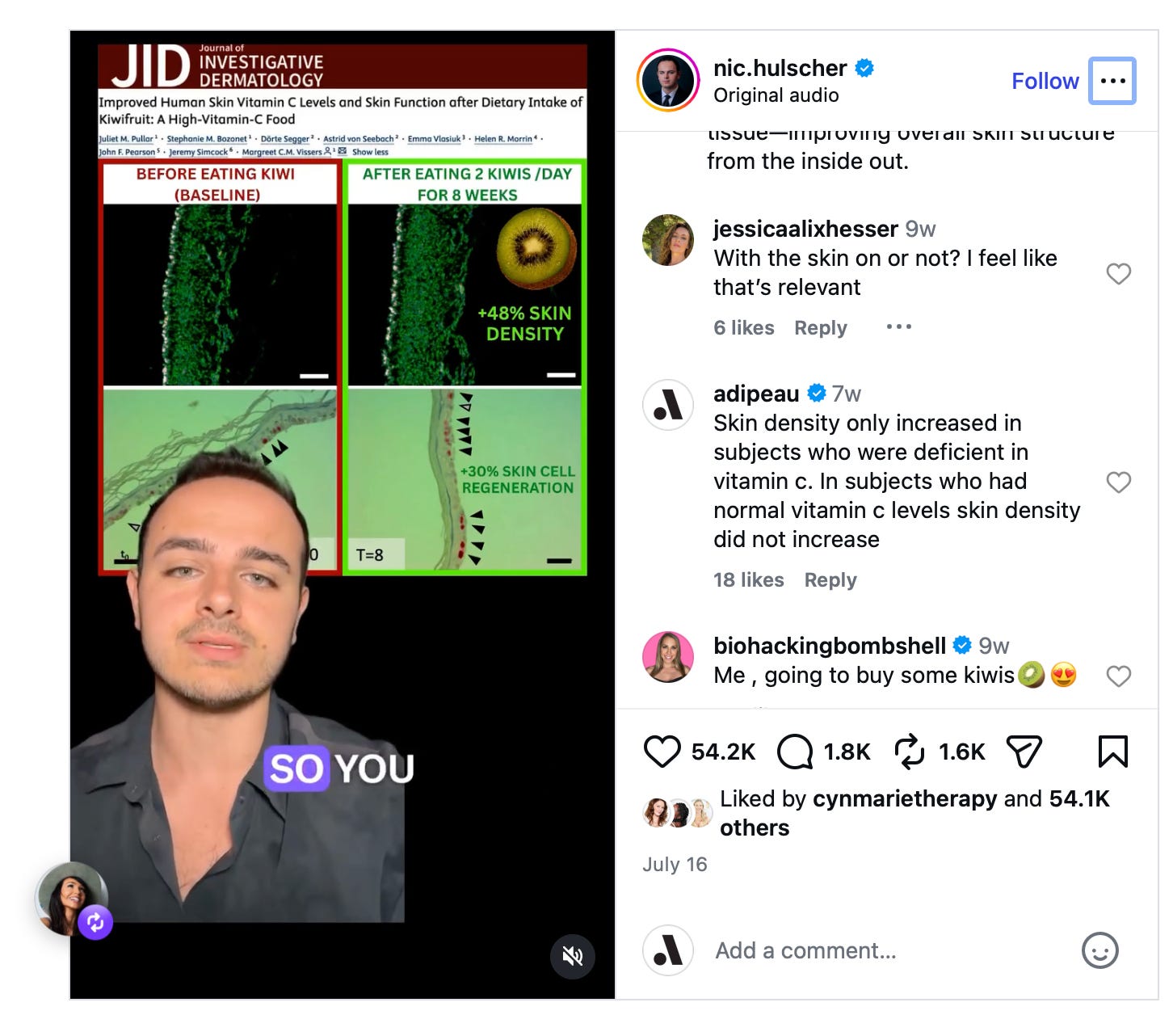
I was so pleased with myself. My comment got a bunch of likes.
It turns out I was completely wrong.
I got fooled by this sentence:
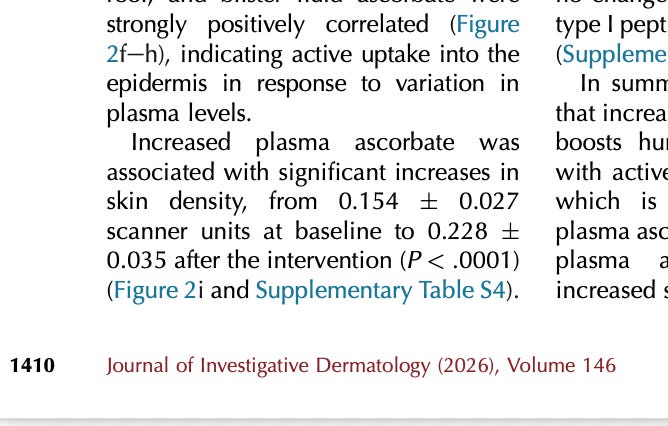
“Increased plasma ascorbate was associated with significant increases in skin density, from 0.154 ± 0.027 scanner units at baseline to 0.228 ± 0.035 after the intervention (P < .0001).”
So incredibly freaking sneaky.
This sentence implies that increases in vitamin C cause increases in skin density. They don’t. Skin density – measured by arbitrary ultrasound units increased in all subjects. And numerically the increase was greater in subjects who did not show an increase in plasma vitamin C.
It turns out that this study was just a poor study. No pre-specified endpoint. Arbitrary ultrasound units interpreted as increases in skin density went up. Collagen did not change. Elastin went down. Really, a nothing study.
So what can we learn from my being fooled.
You can’t go by the headlines. “Improved Human Skin Vitamin C Levels and Skin Function after Dietary Intake of Kiwifruit: A High-Vitamin-C Food.” False on its face.

You can’t go by the journal. The Journal of Investigative Dermatology is a serious publication. And they let this paper in, albeit as a letter to the editor. Watch out for those. They are the refuge of the unscrupulous.
You can’t go by the authors. The senior author of this paper is a very well respected scientist. Shame on you for perpetuating this fraud.
You have to subject all studies to strict scrutiny. First, ask whether the study was registered and set a primary endpoint. If it did not, you should be very careful about accepting any conclusions from the study.
This study was only partially registered and did not set a primary endpoint. Without the anchor of a primary endpoint, deception is possible. And given the sponsorship of the study, it seems that deception was always the point.